Three walks by the sea of Javea
Javea is a town with a long coastline. They are 25 km of coast in total. Most of them are characterized by steep cliffs that lie only in the form of beautiful coves (Portichol, la Granadella...). However, there are also stretches of coast to sea level that allow walks. In the summer season walk by one of these rides is a highly recommended both to first thing in the morning as from media late.
Customs - port
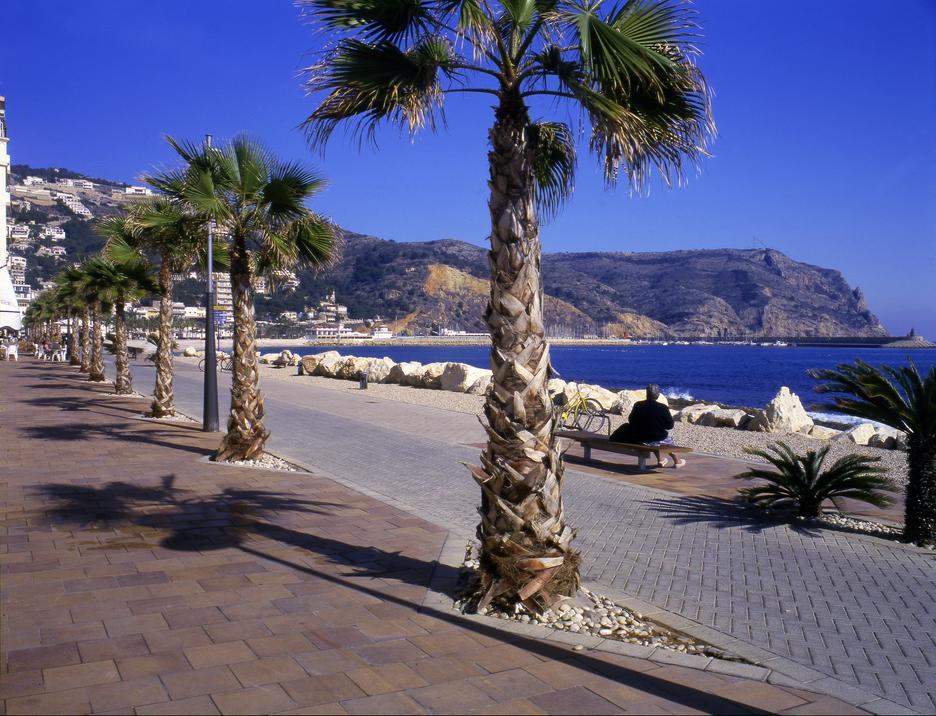
A classic walk in the seaside neighborhood of Jávea starts from the end of the Spanish Navy Street, next to the bridge at the mouth of the Río Gorgos. From there walk towards the fishing port along the gravel walk. Firstly we pass next to the wire House. It is a municipal space dedicated to exhibitions of art built on the House that housed the first Telegraph cable in the Iberian Peninsula and the Balearic Islands. During all of this first section we pass along a number of restaurants. Then you can even go down to the beach of gravel or follow our way to the lonja de pescadores.
At that point, the route can continue towards the breakwater South or directly northward passing next to the pontoons of the public port and Yacht Club. Before entering the North breakwater, we will have the option to look out to the Cove of the Pope, whose Beach has disappeared due to the temporary lift, but which ensures a beautiful views of the Cabo de San Antonio. In fact, from there itself starts a path that climbs up the same place and reach the lighthouse. Once we get to the end of the breakwater, contemplate the entire Bay of Javea on one side and the horizon over the sea to another. We can then go back to the beginning of the ride.
Montañar - Arenal
Precisely the point of beginning and end of the former promenade can be the departure of the walk by the Montañar (the first, in this case) to el Arenal. From the same bridge was born a bike that has a wide sidewalk that will allow you to walk comfortably next to him. Just start walking, to our right we will discover, between apartments, some houses of traditional construction - almost all with many elements of tosca-. They are raised mainly in the middle of the 20th century - including summer buildings before - by wealthy people. Some were the first tourists arrived in Javea, from Valencia and Alcoy.
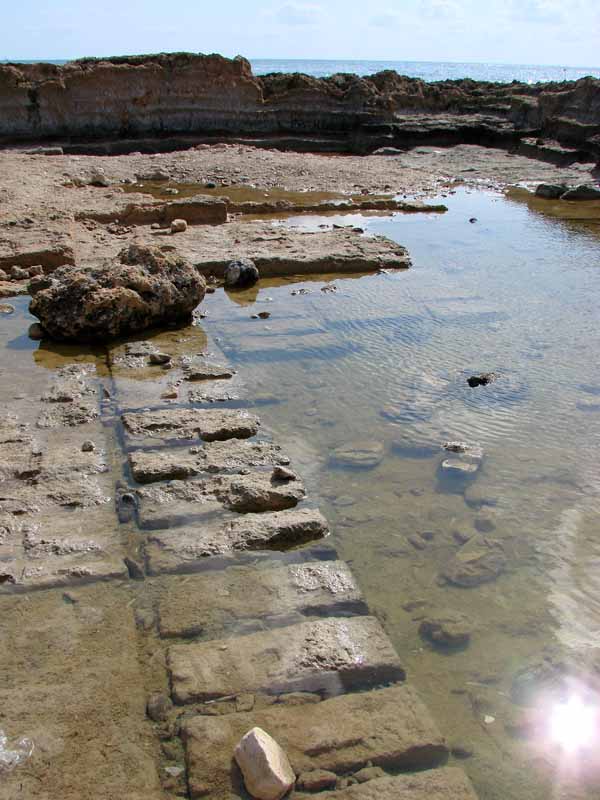
Halfway, on the part of the coast itself begin to glimpse a very particular landscape of this area. They are the excavations for the extraction of rough stone. Over the centuries, tons of this type of stone have been carved into the Muntanar - both the first as in the second - to build houses and villas in Javea. Extraction - long prohibited - has left a unique landscape. In some points is a swimming pool of sea water and other small stairs. In any case no longer curious. Following the tour, the last section is close to the Parador nacional and reaches the same Playa del Arenal. It is time to turn around and return by the my route or, Alternatively, return the Via Augusta. From Easter to nearly October, along the way we also the option of stopping at one of the bars that are installed during this time.
Cala Blanca - Arenal
The third of the walks that we propose also linked the second but we are going to propose a different from the Playa del Arenal starting point. We can leave the vehicle in the white Creek there is a parking area where, except on occasional days, tends to be relatively accessible parking. The same Cala Blanca is a good place to stroll or sit and admire the view. We can also do it on the return. If we start our road to the Arenal beach can choose from do it down the same sidewalk of the Avenida overseas - is not as wide as the of the first Muntanar - or by the sea along a path which, we warn, is complicated in some points.
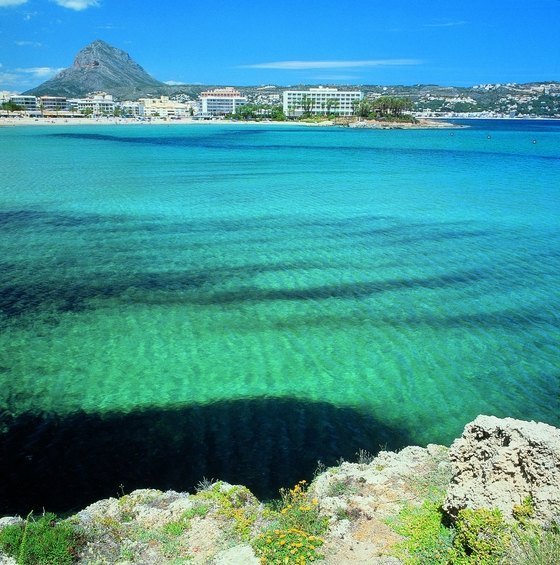
When we're walking 10 minutes will discover a unique monument: the drought of the Ferris wheel. It's an excavation carried out by the Romans to feed seawater salt then located on the other side of the line of apartments in the area known as El Saladar. Along these canals and along the entire route, we find luxury villas built at the beginning of the second half of the 20th century. This is one of them. Upon our arrival at the Playa del Arenal will be able to peek at the viewpoint from that seen across the beach with the silhouette of the Montgó in the background: a postcard landscape. It is advisable to do it the same way to return.

Luxury for sale in Javea


 360 m
2
102 m
2
360 m
2
102 m
2
 5
5
 3
3

Plot for sale in Javea, Tosal area

Urban plot for sale in Javea with open views.


Apartment for sale on Arenal Beach in Javea
122 m
2
2
2

Penthouse for sale at Arenal Beach in Javea
120 m
2
3
2

Apartment for sale in Residential Nusa Dua in the exclu ...
3
2

Villa for sale in Jávea
275 m
2
3
2
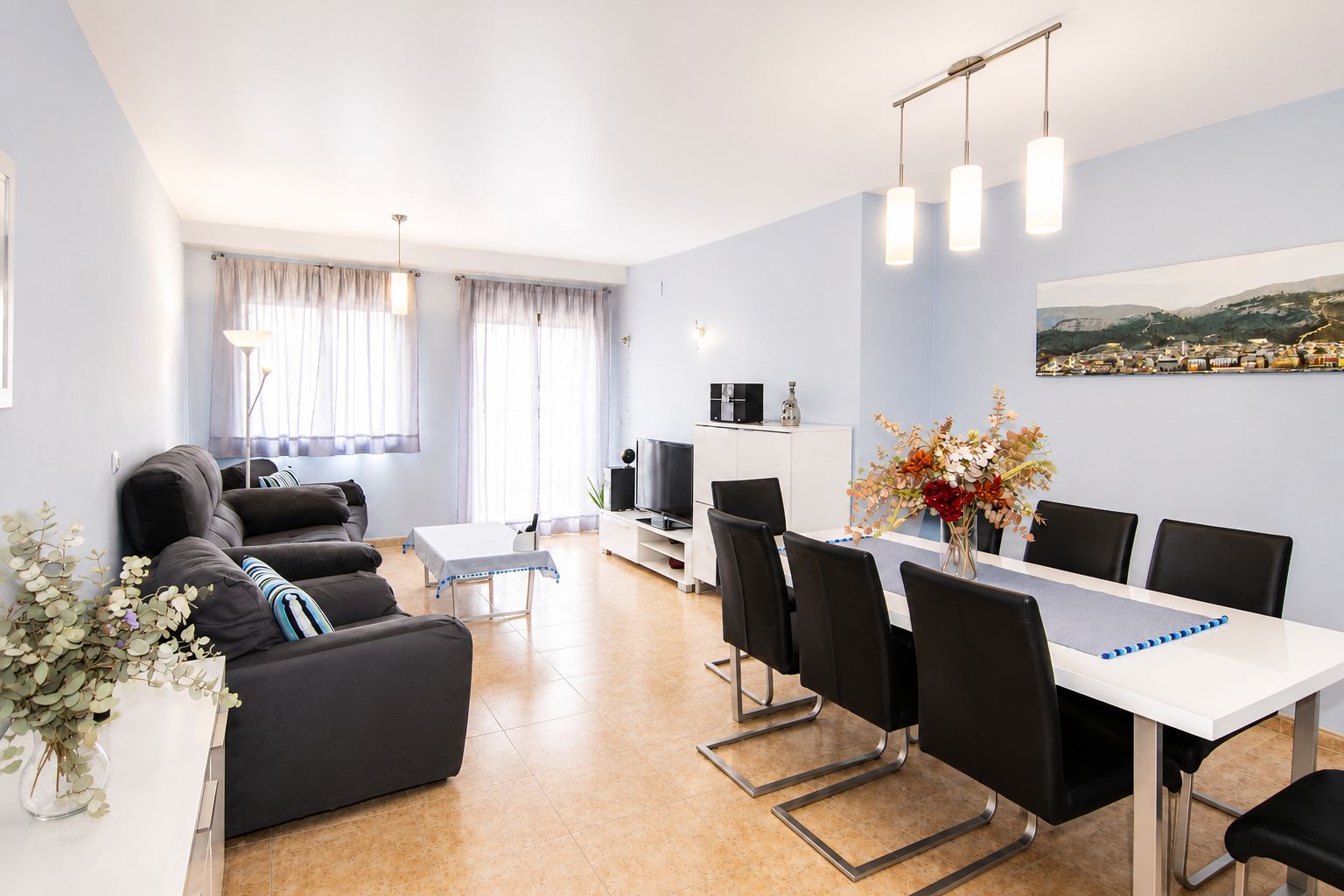
Apartment for sale in the center of Javea
156 m
2
4
2

Villa for sale in Javea with great potential
476 m
2
11.113 m
2
4
3

Plot with sea views for sale in Javea

Charming village house for sale in Vall de Ebo, Alicant ...
225 m
2
4
2

New promotion of six modern villas for sale in Altea
250 m
2
810 m
2
3
3